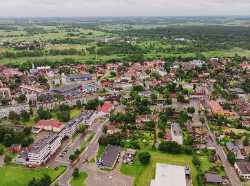
Located in western Latvia in the historical region of Courland, Tukums is a charming small city known for its historic old town, gardens, museums, and scenic surroundings. Situated about 65 kilometers from Riga and close to the Gulf of Riga coast, Tukums serves as an important cultural and tourism center of the region. The city combines medieval history, traditional Latvian architecture, and peaceful natural landscapes, making it a pleasant destination for visitors exploring western Latvia. Tukums first developed during the Middle Ages as a settlement near a Livonian Order castle. Although the original medieval fortress no longer survives completely, the remains of the Tukums Castle Tower still reflect the city’s early history. The restored tower is one of the town’s most recognizable landmarks and offers visitors panoramic views over the rooftops and surrounding countryside. One of the main cultural attractions is the Tukums Museum, which consists of several branches across the city and region. The museum presents exhibitions about local history, traditional life, art, and ethnography. Visitors can learn about the development of Tukums from medieval times to the modern period while exploring historical objects, photographs, and cultural collections. Art lovers often visit the Tukums Art Museum, which features Latvian paintings, exhibitions, and works connected with the cultural heritage of Courland. The city is known for supporting local artists and preserving traditional Latvian crafts. The historic center of Tukums is filled with cobbled streets, colorful houses, cafés, and small public squares. Walking through the old town allows visitors to enjoy the relaxed atmosphere and admire architecture from different historical periods. One important religious landmark is Tukums Lutheran Church, a historic church with a tall tower visible from many parts of the city. Tukums is also famous for its beautiful gardens and surrounding nature. The city is often called the “town of roses” because of its flower displays and green spaces. Nearby attractions include forests, lakes, and manor estates that are popular for day trips. Visitors can easily reach the Baltic Sea coast and seaside resorts from Tukums, making it a convenient base for exploring the region. One of the most visited attractions near the city is Cinevilla Studio, an open-air movie town where many Latvian and international films have been produced. The site allows visitors to walk through recreated historical streets and film sets, creating a unique tourist experience. Tukums also hosts festivals, concerts, and seasonal events throughout the year, especially during summer when parks and squares become lively gathering places. The combination of museums, castle history, gardens, and nearby natural attractions makes the city an enjoyable destination for travelers seeking a quieter and more traditional side of Latvia. With its historical charm, cultural attractions, and relaxing atmosphere, Tukums offers visitors an authentic experience of Latvian small-town life and heritage.
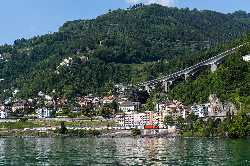
Veytaux is a picturesque village on the eastern shore of Lake Geneva in the canton of Vaud, Switzerland. Although small in size, it is internationally renowned for its spectacular lakeside setting and rich medieval heritage. Surrounded by vineyards, mountains, and crystal-clear waters, Veytaux offers visitors an ideal combination of history, culture, and breathtaking scenery. The village's most famous landmark is Chillon Castle, one of the best-preserved medieval castles in Europe. Built on a rocky island connected to the shore by a bridge, the castle dates back to the 12th century and features impressive halls, towers, courtyards, and dungeons. It has inspired writers and artists for centuries, including Lord Byron, whose famous poem The Prisoner of Chillon helped make the castle known around the world. Military history enthusiasts can visit Fort de Chillon, a former secret Swiss Army fortress hidden inside the mountain near the castle. Today it operates as an interactive museum where visitors can explore underground tunnels, command rooms, and exhibitions explaining Switzerland's defensive strategy during the twentieth century. Nearby in Montreux, the Montreux Museum presents the history of the famous lakeside resort through historical photographs, documents, and local artifacts. Another nearby attraction is the Queen Studio Experience at the Montreux Casino, an exhibition dedicated to the legendary rock band Queen and their recording sessions at Mountain Studios. Beyond the castle, the lakeside promenade linking Veytaux with Montreux is one of the area's most attractive historic landmarks. The scenic walkway offers magnificent views across Lake Geneva toward the Alps and is lined with flowers, sculptures, and inviting places to relax. The surrounding Lavaux vineyards, a UNESCO World Heritage Site, are only a short distance away and showcase centuries of traditional wine-growing on steep terraced hillsides. Despite its peaceful atmosphere, Veytaux serves as an excellent base for exploring the Swiss Riviera. Visitors can discover medieval architecture, fascinating museums, beautiful lakeside landscapes, and mountain excursions, making this charming village an unforgettable destination for history lovers and nature enthusiasts alike.
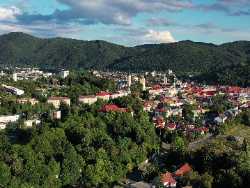
Banská Bystrica is one of the most important and attractive cities in Slovakia. Located in the Hron River valley and surrounded by the Low Tatras, Kremnica Mountains, and Veľká Fatra, the city combines rich mining history, impressive architecture, museums, and cultural attractions. Once a prosperous centre of copper mining and trade, Banská Bystrica remains one of Slovakia's most fascinating destinations. The heart of the city is the SNP Square (Námestie SNP), a large historic square lined with colourful Gothic, Renaissance, and Baroque buildings. At its centre stands the Clock Tower, one of the city's most recognizable landmarks. Visitors can climb the tower for panoramic views of the historic centre and surrounding mountains. Museum lovers will find several interesting places to explore. The Museum of the Slovak National Uprising is one of the most important museums in Slovakia. Its modern building and outdoor military exhibits commemorate the Slovak National Uprising of 1944 and provide insight into the country's role during the Second World War. Another important institution is the Central Slovak Museum, which presents exhibitions on local history, archaeology, art, and traditional crafts. One of the city's most significant historical monuments is the Barbican and Castle Area, often called the City Castle. Although not a castle in the traditional sense, this fortified complex was built to protect the town and includes defensive walls, towers, and important religious buildings. It remains one of the best-preserved medieval fortification complexes in Slovakia. Within the Castle Area stands the Church of the Assumption of the Virgin Mary, one of the oldest buildings in the city, along with the Matthias House and other historic structures that reflect Banská Bystrica's medieval prosperity. While the city does not possess a large royal palace, several elegant noble residences and historic mansions can be found around the old town. These palace-like buildings were constructed by wealthy merchants and mining entrepreneurs during the city's golden age and contribute greatly to its architectural charm. The city is also known for its cultural life. The State Opera in Banská Bystrica hosts opera, ballet, and concert performances throughout the year. Numerous festivals, exhibitions, and public events add to the city's vibrant atmosphere. Nature enthusiasts can use Banská Bystrica as a gateway to nearby mountain regions. Popular destinations include Donovaly, the Low Tatras National Park, and Harmanecká Cave. Hiking, skiing, cycling, and outdoor recreation are all easily accessible from the city. With its museums, medieval castle complex, historic square, churches, and beautiful mountain surroundings, Banská Bystrica offers visitors a perfect blend of history, culture, and nature. It is one of the most rewarding destinations in central Slovakia and an excellent place to discover the country's rich heritage.
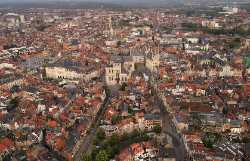
Leuven is a historic university city in the Flemish region of Belgium, located about 25 kilometres east of Brussels. Small in size but rich in character, Leuven is best known for its centuries-old academic tradition, lively student atmosphere and impressive Gothic architecture. The heart of the city is dominated by the KU Leuven, founded in 1425. It is one of the oldest universities in Europe and has shaped Leuven’s identity for six centuries. Students from around the world fill the streets, cafés and libraries, giving the city an energetic yet relaxed feeling throughout the year. One of the most striking landmarks is the Town Hall of Leuven on the Grote Markt. Built in the 15th century, its elaborate façade is covered with statues of saints, scholars and historical figures. Opposite stands St. Peter’s Church, another Gothic masterpiece that reflects Leuven’s medieval wealth and importance. Leuven also has a strong brewing tradition. It is home to the global brewing company Anheuser-Busch InBev, one of the largest beer producers in the world. The famous Belgian beer Stella Artois has been brewed here for centuries, linking the city’s past with its modern international presence. Beyond its historic centre, Leuven offers peaceful green spaces such as the Kruidtuin botanical garden, one of the oldest in Belgium, and the expansive Abbey Park surrounding Park Abbey. These areas provide a quiet contrast to the busy student quarters like the Oude Markt, often called the “longest bar in Europe” because of its many cafés lined up side by side. During the World Wars, Leuven suffered heavy damage, including the destruction of its university library in 1914. The library was later rebuilt with international support and now stands as a symbol of resilience and cooperation. Today, Leuven combines tradition and innovation. It is a centre for research, technology and culture, yet it still feels welcoming and easy to explore on foot or by bicycle. With its blend of medieval streets, academic heritage and vibrant social life, Leuven remains one of Belgium’s most charming and dynamic cities.
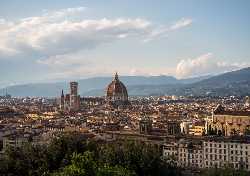
Florence, the capital of Italy’s Tuscany region, is often described as an "open-air museum." Nestled in a valley along the Arno River, this city served as the crucible of the Renaissance, a period of unprecedented intellectual and artistic blooming that changed the course of Western civilization. Its skyline is dominated by architectural marvels and its galleries house the world’s greatest concentration of Renaissance masterpieces, making it a place where history feels tangible in every cobblestone street. The undisputed heart of the city is the Piazza del Duomo, home to the Cathedral of Santa Maria del Fiore. Its massive red-tiled dome, engineered by Filippo Brunelleschi in the 15th century, remains the largest masonry dome in the world and an enduring symbol of Florentine ingenuity. Beside it stand Giotto’s Bell Tower and the Baptistery of St. John, famous for its bronze "Gates of Paradise." A short walk leads to the Piazza della Signoria, the city’s political center, dominated by the fortress-like Palazzo Vecchio and an array of outdoor sculptures that testify to the city’s historic power. Florence’s cultural wealth is largely thanks to the Medici family, the powerful banking dynasty that ruled the city for centuries. As visionary patrons, they funded the works of geniuses like Michelangelo, Leonardo da Vinci, and Botticelli. Much of their private collection is now housed in the Uffizi Gallery, one of the oldest and most famous art museums in the world. Nearby, the Accademia Gallery draws millions to witness Michelangelo’s David, a sculpture that embodies the Renaissance ideal of human strength and beauty. Connecting the bustling center to the quieter Oltrarno district is the Ponte Vecchio, the only bridge in the city to survive the bombings of World War II. This medieval stone arch bridge is unique for the jewelry shops that still line its sides, overhung by the secret Vasari Corridor used by the Medici to travel privately across the city. On the far side of the river lies the imposing Pitti Palace and the sprawling Boboli Gardens, a masterpiece of Italian landscaping. Beyond its physical beauty, Florence is the birthplace of the Italian language, largely through the works of the poet Dante Alighieri. From its culinary traditions like the Bistecca alla Fiorentina to its vibrant artisan workshops, Florence remains a living tribute to a golden age of human achievement, continuing to inspire visitors with its timeless elegance and spirit of discovery.
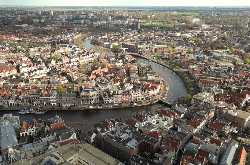
Haarlem, the provincial capital of North Holland, is often affectionately dubbed "Little Amsterdam," but this title doesn't quite do justice to its distinct, more intimate character. Nestled along the banks of the river Spaarne, Haarlem is a city where 17th-century elegance meets a relaxed, contemporary soul. It is a place where history isn't just preserved in museums but is woven into the very fabric of the cobblestone streets and hidden courtyards. The city’s heart is the Grote Markt, arguably one of the most beautiful central squares in Europe. Looming over it is the massive St. Bavokerk (Grote Kerk), a Gothic masterpiece that houses the world-famous Müller organ. This 100-foot-high instrument was once played by a ten-year-old Wolfgang Amadeus Mozart and continues to draw music lovers from across the globe. Surrounding the square are grand buildings like the Vleeshal (the former meat market) and the historic Town Hall, which has been the seat of local government since the 14th century. Haarlem’s prosperity peaked during the Dutch Golden Age, when it was a powerhouse of brewing, textile manufacturing, and the center of the infamous Tulip Mania. In the 1630s, the city’s taverns were the trading floors for the world’s first economic bubble, where single tulip bulbs were sold for the price of grand canal houses. This wealth funded a legendary art scene, most notably that of Frans Hals, the master of the "loose brushstroke." Today, the Frans Hals Museum stands as a pilgrimage site for art enthusiasts, while the Teylers Museum—the oldest museum in the Netherlands—offers a fascinating "time capsule" of Enlightenment-era science and art. One of Haarlem’s most enchanting features is its collection of hofjes—secluded almshouse courtyards hidden behind modest street doors. Originally built by wealthy citizens to house elderly, single women, these 21 surviving green oases offer a silent escape from the city’s bustling shopping streets. For those interested in more recent history, the Corrie ten Boom House provides a moving look into the Dutch resistance during WWII, where a local family risked everything to hide Jewish refugees in a secret closet. Today, Haarlem is a culinary and shopping destination, boasting more restaurants per inhabitant than any other Dutch city. Whether you are sipping craft beer in the Jopenkerk (a brewery housed in a former church), exploring the nearby dunes of Zuid-Kennemerland National Park, or taking a short bike ride to the beaches of Zandvoort, Haarlem offers a complete Dutch experience without the overwhelming crowds of its larger neighbor.
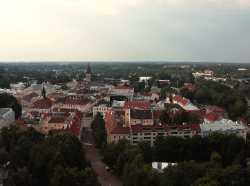
Tartu is often called the intellectual and cultural heart of Estonia. Located in the southeastern part of the country along the Emajõgi River, Tartu is Estonia’s second-largest city and one of the oldest cities in the Baltic region. The city is best known for its youthful atmosphere, historic architecture, lively cafés, and strong academic traditions centered around the famous University of Tartu, founded in 1632. Tartu combines history with modern creativity. The charming Old Town features colorful classical buildings, pedestrian streets, and lively public squares. At the center of the city stands Tartu Town Hall and the well-known “Kissing Students” fountain, one of the city’s symbols. Nearby visitors can explore Toome Hill, a peaceful park area filled with historical ruins, monuments, and scenic walking paths. The hill also contains the impressive ruins of the old Tartu Cathedral, which today houses part of the university museum. One of the most popular attractions in the city is the Estonian National Museum, a modern museum presenting Estonia’s history, traditions, and Finno-Ugric culture through interactive exhibitions and multimedia displays. Science lovers often visit the AHHAA Science Centre, the largest science center in the Baltic states, featuring hands-on exhibits and a planetarium. Art enthusiasts can enjoy the Tartu Art Museum, famous for its slightly leaning historic building, while nature lovers may explore the Tartu Botanical Garden, home to thousands of plant species and peaceful greenhouses. Tartu is also known for its festivals, street art, and vibrant student nightlife. During summer, outdoor cafés and riverfront promenades create a relaxed atmosphere, while winter brings snowy landscapes and cozy cultural events. Because of its combination of history, education, museums, and youthful energy, Tartu is considered one of the most interesting and welcoming destinations in Estonia.
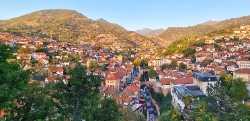
Kratovo is one of North Macedonia's most picturesque historic towns, nestled within the crater of an extinct volcano in the country's northeast. Famous for its medieval stone towers, graceful bridges and narrow cobbled streets, Kratovo has a history dating back to antiquity. Rich deposits of gold, silver and other minerals made it an important mining center during Roman, Byzantine, Serbian and Ottoman times, and much of that heritage can still be explored today. The town's principal cultural institution is the Kratovo Museum, operated by the National Institution Museum of North Macedonia. Its collections include archaeological discoveries, ethnographic exhibits, mining artifacts and historical documents that tell the story of Kratovo's development over many centuries. Visitors interested in local history can also explore exhibitions inside the historic Simikj House, where displays present traditional life, architecture and crafts of the region. Art exhibitions and cultural events are regularly hosted in the House of Culture Kratovo Gallery, providing another venue where visitors can experience local artistic heritage. Overlooking the town are the remains of Kratovo Fortress, also known as Hisar Fortress. Built on a rocky hill above the volcanic valley, the medieval castle once protected the prosperous mining settlement. Although only parts of its defensive walls survive, the site offers magnificent panoramic views across Kratovo's distinctive landscape of stone houses, towers and bridges. One of the town's most important religious monuments is the Cathedral Church of Saint Nicholas, an Orthodox church admired for its beautiful iconostasis and historic significance. Other notable churches include the Church of Saint John the Baptist and the Church of the Holy Trinity, both reflecting the rich spiritual heritage of the region. Kratovo is especially famous for its remarkable medieval stone towers, including the Saat Tower, Emin Bey Tower and Simić Tower, which once served as residences for wealthy merchants and noble families. Equally impressive are the historic stone bridges spanning the deep river gorge that cuts through the town. The Radin Most, Grofchanski Bridge and Argulichki Bridge are among the best preserved and remain enduring symbols of Kratovo. Walking through the old streets reveals traditional Ottoman-era houses, narrow alleyways and charming squares that have changed little over the centuries. Combining fascinating museums, a medieval fortress, historic churches and unique volcanic scenery, Kratovo offers one of the most authentic cultural experiences in North Macedonia. From discovering the Kratovo Museum and climbing to the fortress to crossing centuries-old stone bridges and exploring the town's remarkable architecture, visitors are rewarded with an unforgettable journey through one of the country's best-preserved historic settlements.
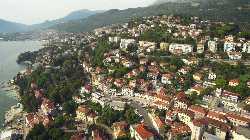
Herceg Novi is a charming coastal town at the entrance to the Bay of Kotor in Montenegro, celebrated for its Mediterranean atmosphere, centuries of history, and lush subtropical vegetation. Founded in 1382 by King Tvrtko I of Bosnia, the town has been shaped by Ottoman, Venetian, Spanish, Austrian and Yugoslav influences, leaving behind a remarkable collection of fortifications, churches and cultural landmarks. The heart of the old town is a maze of narrow stone streets, lively squares and stairways leading to historic buildings and panoramic viewpoints. One of the town's most famous landmarks is the Clock Tower, built during the Ottoman period, which continues to stand as a symbol of Herceg Novi. Another popular attraction is Kanli Kula Fortress, an imposing castle overlooking the bay. Originally constructed by the Ottomans in the 16th century, it now serves as an open-air theatre hosting concerts, festivals and cultural events while offering spectacular views across the Adriatic. Museum enthusiasts will find several interesting collections throughout the town. The Herceg Novi City Museum preserves archaeological discoveries, historical documents, maritime artefacts and traditional objects that illustrate the region's rich past. The Mirko Komnenović Museum, housed in the former residence of a prominent local family, displays period furniture, artworks, books and historical collections that recreate the lifestyle of the early twentieth century. Visitors can also explore the Josip Bepo Benković Gallery, which presents permanent and temporary exhibitions of Montenegrin and international artists, making it an important cultural institution within the town. Religious architecture adds another dimension to Herceg Novi's heritage. The Cathedral of St. Jerome, located near the old town, serves the local Catholic community and reflects the town's long-standing multicultural character. Nearby, the Savina Monastery, surrounded by cypress trees and overlooking the bay, is one of Montenegro's finest Orthodox monasteries and attracts visitors with its beautiful churches, treasury and peaceful gardens. Today, Herceg Novi combines historic charm with a vibrant seaside atmosphere. Visitors can stroll along the famous Pet Danica promenade, relax at waterfront cafés, explore centuries-old fortresses, and enjoy cultural festivals throughout the year. Whether discovering fascinating museums, admiring Kanli Kula Fortress, visiting the Cathedral of St. Jerome or photographing the historic Clock Tower, Herceg Novi offers an unforgettable blend of history, culture and stunning Adriatic scenery.
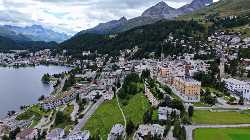
St. Moritz is one of the world’s most famous mountain resorts, located in the Engadin Valley in the Swiss canton of Graubünden. Known for luxury tourism, winter sports, high-end hotels, and stunning Alpine scenery, St. Moritz has hosted two Winter Olympic Games and continues to attract international visitors year-round. Its combination of frozen lakes, snow-covered peaks, and elegant architecture makes it one of Switzerland’s most iconic destinations. The town is divided into St. Moritz Dorf and St. Moritz Bad, both offering unique attractions and access to the surrounding mountains. One of the most recognizable natural landmarks is Lake St. Moritz, which freezes in winter and becomes a venue for events such as horse racing on ice, polo tournaments, and curling. In summer, it transforms into a peaceful setting for walking and sailing. St. Moritz offers several interesting museums. The Engadiner Museum is the most important cultural institution in the town, showcasing traditional Engadin lifestyle, wooden interiors, historic furniture, and local crafts. The Segantini Museum is dedicated to the famous painter Giovanni Segantini, who captured the dramatic Alpine landscapes of the region in his symbolic artworks. The Berry Museum presents works by local artist Peter Robert Berry, focusing on portraits and landscapes of the Engadin valley. Another notable attraction is the St. Moritz Olympic Museum, which highlights the history of the Winter Olympic Games held in 1928 and 1948. Although St. Moritz does not have a large medieval castle, it is home to the historic Dracula Castle-style building known as the Kulm Hotel, one of the oldest luxury hotels in the Alps, dating back to 1856. This grand palace-like hotel played a major role in the development of winter tourism in the region and remains a symbol of St. Moritz’s aristocratic heritage. The most important religious landmark in the town is the Reformed Church of St. Moritz. Built in the 19th century, it stands above the village and offers panoramic views of the valley. Nearby, the Church of St. Karl in St. Moritz Bad is known for its elegant Art Nouveau design and beautiful stained glass windows. Among the most famous historic landmarks is the St. Moritz Leaning Tower, a remnant of the 12th-century Church of St. Mauritius. The tower leans noticeably due to ground movement, making it one of the most photographed symbols of the town. Another major landmark is the Corviglia ski area, accessible by funicular and cable car, which has been central to St. Moritz’s reputation as a winter sports capital. Visitors also enjoy the Via Serlas, one of the highest luxury shopping streets in Europe, lined with designer boutiques and historic hotels. The surrounding mountains, including Piz Nair, offer spectacular viewpoints over the Engadin valley. With its museums, historic tower, luxury palace-like hotels, churches, and breathtaking Alpine scenery, St. Moritz combines cultural heritage with world-class tourism. It remains one of the most prestigious and beautiful mountain destinations in the world.
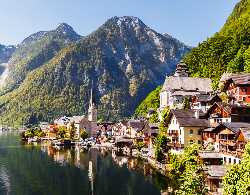
Hallstatt is one of the most picturesque destinations in Austria and is often considered one of the most beautiful villages in the world. Located on the shores of Hallstätter See and surrounded by the dramatic peaks of the Dachstein Alps, Hallstatt is famous for its breathtaking scenery, ancient salt-mining heritage, and charming historic architecture. The village and its surrounding cultural landscape are part of the UNESCO World Heritage Site known as Hallstatt-Dachstein/Salzkammergut. One of Hallstatt's most important attractions is the **Hallstatt Museum** (Welterbemuseum Hallstatt). This fascinating museum presents more than 7,000 years of local history, including archaeological discoveries from the prehistoric Hallstatt Culture, which gave its name to an entire period of the European Iron Age. Visitors can learn about ancient settlements, mining traditions, and the development of the village through interactive exhibits and historical artifacts. Another major attraction is the **Hallstatt Salt Mine (Salzwelten Hallstatt)**, often considered both a museum and an adventure experience. Visitors travel up the mountain to explore one of the world's oldest salt mines, discover underground tunnels, ancient mining tools, and learn how salt shaped the region's prosperity for thousands of years. A third important museum-related attraction is the **Charnel House (Beinhaus)** at St. Michael's Chapel. This unique collection contains hundreds of decorated human skulls, many painted with names, flowers, and dates, offering insight into local burial traditions dating back centuries. Although Hallstatt does not have a large castle, visitors can explore the nearby **Schloss Grub**, a small historic lakeside castle located just outside the village. This elegant residence adds to the region's historic charm and is a notable landmark on the shores of the lake. The village's most important religious monument is the **Evangelical Church of Hallstatt**, whose tall tower overlooking the lake has become one of Austria's most photographed sights. Another historic church is the **Parish Church of the Assumption of Mary**, which features valuable Gothic artwork and beautiful views over the village. Among Hallstatt's most famous landmarks is the **Hallstatt Skywalk "World Heritage View"**, a spectacular viewing platform located high above the village. It offers breathtaking panoramic views of the lake, mountains, and historic centre below. Visitors can also stroll through the Market Square, lined with traditional Alpine houses, cafés, and shops that preserve the village's centuries-old character. With its museums, historic churches, salt mine, lakeside castle, and unforgettable mountain scenery, Hallstatt offers a unique blend of history, culture, and natural beauty. Whether exploring ancient mining heritage, admiring historic landmarks, or enjoying views across the lake, visitors will discover one of Austria's most enchanting destinations.
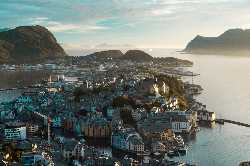
Ålesund is widely considered to be the most visually stunning city in Norway, a place where architectural elegance meets the raw, untamed power of the North Atlantic. Located on the west coast at the entrance to the world-famous Geirangerfjord, Ålesund is built across several islands that stretch out into the ocean like a string of pearls. While its history as a fishing port stretches back centuries, the city’s unique appearance is the result of a tragic turning point: the Great Fire of 1904. In a single winter night, nearly the entire town—then built of wood—was destroyed. In a remarkable feat of international cooperation and local determination, the city was rebuilt in just three years using stone and brick, resulting in one of the most concentrated and beautiful collections of Art Nouveau (Jugendstil) architecture in the world. Walking through the streets of Ålesund is like walking through an open-air art gallery. The buildings are adorned with a whimsical array of turrets, spires, and intricate stone carvings of flowers, folklore figures, and Nordic motifs. The pastel-colored facades reflected in the calm waters of the Brosundet canal create a fairytale atmosphere that is unlike any other Norwegian city. To truly appreciate the scale and symmetry of this architectural marvel, visitors must climb the 418 steps from the town park to the summit of Mount Aksla. From the Fjellstua viewpoint, the panoramic vista reveals the city’s complex layout, the surrounding emerald islands, and the dramatic, jagged peaks of the Sunnmøre Alps in the distance. Beyond its architectural charm, Ålesund remains a vital maritime center. The city is the fishing capital of Norway, and its deep connection to the sea is celebrated at the Atlantic Sea-Park (Atlanterhavsparken), one of the largest saltwater aquariums in Europe. Built directly into the rocky coastline, the aquarium offers an immersive look at the life beneath the waves of the Norwegian Sea, featuring massive open-air pools for seals and penguins. The harbor itself is always active, serving as a key stop for the Hurtigruten coastal steamers and as the starting point for countless adventures into the fjords. For the modern traveler, Ålesund serves as a sophisticated base for exploring the wild outdoors. Within a short boat ride or drive, you can reach the UNESCO-listed Geirangerfjord, known for its sheer cliffs and cascading waterfalls, or the remote bird sanctuary of Runde island. The city’s culinary scene is equally impressive, with local restaurants specializing in "Klippfisk" (dried and salted cod) and other delicacies harvested fresh from the cold, deep waters nearby. With its perfect harmony of historical Art Nouveau beauty and breathtaking natural surroundings, Ålesund is a destination that captures the imagination and stands as a testament to the resilience and artistic spirit of the Norwegian people.
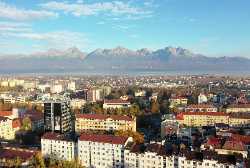
Poprad is one of the most important tourist cities in northern Slovakia. Situated at the foot of the High Tatras Mountains, it serves as the main gateway to Slovakia's most famous mountain region. Combining historic districts, museums, cultural attractions, and easy access to spectacular natural scenery, Poprad attracts visitors throughout the year. The city consists of several historic quarters, the most notable being Spišská Sobota. This remarkably preserved medieval town district features beautiful Renaissance and Baroque houses surrounding a picturesque square. Walking through its narrow streets allows visitors to experience the atmosphere of one of the best-preserved historic settlements in Slovakia. Poprad offers several interesting museums that showcase the history and culture of the region. The Podtatranské Museum is the city's principal museum, presenting archaeological discoveries, local history, traditional crafts, and exhibits related to the High Tatras. One of its most famous displays is the reconstruction of the grave of a prehistoric nobleman discovered near Poprad. A major cultural attraction is the Tatra Gallery, housed in a former steam power station. The gallery hosts exhibitions of Slovak and international art and is considered one of the most distinctive cultural venues in the country. Although Poprad does not have a large castle within the city itself, visitors can find several important castles nearby. The famous Spiš Castle, one of the largest castle complexes in Europe and a UNESCO World Heritage Site, is within easy reach of the city. Within Poprad, historic manor houses and noble residences reflect the region's aristocratic past. Among the city's most attractive historic buildings is the former manor house complex in Spišská Sobota, where many merchant and noble families once lived. These elegant buildings create a palace-like atmosphere around the historic square and remain important architectural landmarks. One of the most popular tourist attractions is AquaCity Poprad, a modern water park and wellness resort known for its thermal pools, wellness facilities, and family-friendly entertainment. Visitors often use Poprad as a base for exploring nearby mountain resorts such as Starý Smokovec, Tatranská Lomnica, and Štrbské Pleso. The city is also famous for its proximity to the High Tatras National Park, offering excellent opportunities for hiking, skiing, cycling, and mountain excursions. Scenic railway connections make it easy to reach many of the region's most beautiful destinations. With its museums, historic Spišská Sobota district, cultural attractions, nearby castles, and access to the High Tatras, Poprad offers a unique combination of history and nature. Whether exploring local heritage or embarking on mountain adventures, visitors will find Poprad an ideal destination in northern Slovakia.
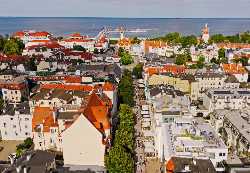
Sopot is one of Poland’s most charming coastal towns, located on the Baltic Sea between Gdańsk and Gdynia. Together, they form the famous “Tricity” area, but Sopot stands out for its relaxed atmosphere, elegant architecture, and vibrant seaside life. The town is best known for the iconic Sopot Pier (Molo), which stretches over 500 meters into the sea. It is the longest wooden pier in Europe and offers stunning views of the Baltic coastline. Visitors come here to stroll, enjoy fresh sea air, and watch the sunset over the water. Sopot has a long history as a spa resort dating back to the 19th century, when it became popular among European elites. This heritage is still visible in its grand villas, historic hotels, and the famous Grand Hotel Sopot, which has hosted celebrities, artists, and political figures over the decades. The heart of the town is Bohaterów Monte Cassino Street, often called “Monciak” by locals. This lively pedestrian street is filled with cafes, restaurants, and nightlife, making it the social center of Sopot. Nearby, visitors can also see the unusual Krzywy Domek, a uniquely designed building that looks like it came straight out of a fairy tale. Beyond its attractions, Sopot is famous for its wide sandy beaches, which are among the best in Poland. During summer, they become a hub for sunbathing, swimming, and beach sports. The town also hosts cultural events, including the renowned Sopot International Song Festival, attracting artists from around the world. Despite its popularity, Sopot maintains a peaceful charm, especially outside the peak season. With its mix of history, culture, and seaside beauty, it remains one of Poland’s top destinations for both relaxation and entertainment.
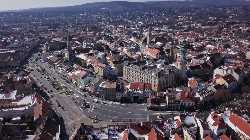
Sopron is one of Hungary’s most beautiful and historic cities, located near the Austrian border at the foot of the Alps. Often called the “Jewel of Western Hungary,” Sopron is famous for its well-preserved medieval old town, impressive historical monuments, vineyards, and scenic natural surroundings. Its rich heritage, shaped by Roman, medieval, and Baroque influences, makes it one of the country's most rewarding destinations. The city's most iconic landmark is the Firewatch Tower. Rising above the historic center, this medieval tower has become the symbol of Sopron. Visitors can climb to the top for magnificent views over the city’s rooftops, nearby vineyards, and the surrounding countryside. The tower stands on the Main Square, the heart of the old town, which is surrounded by elegant Baroque buildings, historic houses, and charming cafés. History enthusiasts will enjoy exploring the remains of the Roman settlement that once stood here. Sopron was known as Scarbantia during Roman times, and sections of the ancient city walls can still be seen today. The old town preserves much of its medieval street layout, creating a unique atmosphere for visitors walking through its narrow lanes and hidden courtyards. One of the city's most important religious landmarks is St. Michael’s Church, a Gothic church dating back to the 13th century. Another notable building is the Goat Church, officially known as the Church of the Benedictines, famous for its beautiful Gothic architecture and historical significance. The city is also known for its elegant palaces and historic residences. Walking through the center, visitors can admire numerous Baroque and Renaissance buildings that reflect Sopron’s prosperity during past centuries. Just outside the city lies Lővérek, a picturesque area of forests and hills popular for hiking, cycling, and relaxation. Nature lovers can explore trails that offer beautiful views of the region. Nearby is the Károly Lookout Tower, from which visitors can enjoy panoramic vistas extending into Austria on clear days. A short distance from Sopron is Lake Fertő, part of the UNESCO-listed Fertő–Neusiedler See cultural landscape. The lake and surrounding wetlands are popular for birdwatching, boating, cycling, and enjoying nature. The region is also famous for its vineyards and wine production, particularly red wines. Culture plays an important role in Sopron's life. The city hosts music festivals, cultural events, and wine celebrations throughout the year. Its theatres, galleries, and historic venues contribute to a lively cultural atmosphere. With its medieval streets, Roman heritage, Gothic churches, historic towers, beautiful parks, and nearby natural attractions, Sopron offers visitors a fascinating blend of history, culture, and outdoor recreation. It remains one of Hungary’s most charming cities and an excellent destination for travelers seeking authentic Central European heritage.
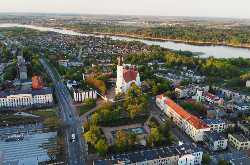
Šiauliai is the fourth largest city in Lithuania and an important cultural and economic centre in the northern part of the country. The city has a long history dating back to the 13th century and is often called the “City of the Sun” because the Battle of Saule, one of the most important medieval battles in Lithuanian history, took place nearby in 1236. Today Šiauliai is known for its museums, parks, modern atmosphere and unique landmarks. The most famous attraction near the city is the extraordinary Hill of Crosses, one of Lithuania’s most important pilgrimage sites. Thousands of crosses of different sizes cover the hill, creating a powerful symbol of faith, hope and Lithuanian identity. Visitors from all over the world come to see this unique place located a short distance from the city centre. Šiauliai is also rich in museums and cultural attractions. The Aušra Museum is one of the oldest museums in Lithuania and includes several branches around the city dedicated to history, photography, bicycles and radio technology. Another popular attraction is the Chocolate Museum, where visitors can learn about the history of chocolate production and taste local sweets. Although Šiauliai does not have a large medieval castle like Trakai or Kaunas, visitors can explore historical landmarks and nearby manor estates connected with Lithuanian nobility and regional history. The city centre itself features wide boulevards, pedestrian streets and many sculptures, including the famous Golden Boy statue located at Resurrection Square. Religious architecture is another highlight of Šiauliai. The impressive Cathedral of Saints Apostles Peter and Paul is a beautiful white Renaissance-style church dating back to the 17th century and one of the city’s main landmarks. Nearby parks and recreation areas provide peaceful places for walking and relaxation. Visitors can also enjoy Sundial Square, a modern public square featuring a large sundial sculpture and spaces for events and festivals. The city offers theatres, cafes, shopping centres and cultural events throughout the year, giving it a lively and welcoming atmosphere. Today Šiauliai combines history, religion, culture and modern city life. With its famous Hill of Crosses, interesting museums and unique Lithuanian heritage, the city is an important destination for travellers exploring northern Lithuania.
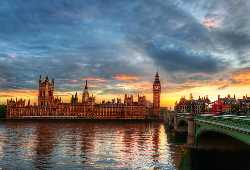
London, a metropolis that has captivated imaginations for centuries, stands as a testament to the enduring power of history seamlessly interwoven with the vibrant pulse of contemporary life. It's a city where the echoes of monarchs and revolutionaries resonate through ancient streets, while cutting-edge art, innovative cuisine, and a kaleidoscope of cultures create an intoxicatingly modern energy. To simply list London's attractions would be to diminish the profound and multifaceted experience it offers; instead, one must delve into the very fabric of this iconic capital to understand its magnetic pull. The city's historical landmarks are not mere relics of a bygone era; they are living narratives etched in stone and steel. The Tower of London, a formidable fortress that has served as a royal residence, prison, and treasury, whispers tales of intrigue and power. Walking its ramparts and gazing upon the Crown Jewels evokes a tangible connection to England's rich past. Similarly, the Houses of Parliament and the iconic Elizabeth Tower, affectionately known as Big Ben, stand as powerful symbols of democracy and resilience, their majestic presence dominating the Thames skyline. Westminster Abbey, a site of coronations and royal burials for centuries, exudes an aura of solemn grandeur, each stone bearing witness to pivotal moments in British history. Yet, London's allure extends far beyond its ancient monuments. The city is a dynamic hub of artistic expression, boasting world-class museums and galleries that cater to every conceivable taste. The British Museum, a treasure trove of global artifacts, invites exploration across continents and millennia. The National Gallery, nestled in Trafalgar Square, presents a breathtaking collection of European masterpieces, offering moments of profound artistic connection. Tate Modern, housed in a former power station on the South Bank, pulsates with the energy of contemporary art, challenging perceptions and sparking dialogue. These institutions are not static repositories; they are vibrant spaces that continually engage and inspire. Beyond its grand avenues and iconic landmarks, London's true charm lies in its diverse and characterful neighborhoods, each with its own distinct identity. The vibrant chaos of Camden Market offers a sensory overload of eclectic stalls, street food, and alternative fashion. The refined elegance of Notting Hill, with its pastel-colored houses and bustling Portobello Road Market, exudes a bohemian chic. The trendy streets of Shoreditch are a canvas for street art and home to innovative restaurants and bars. Exploring these pockets of the city reveals the multifaceted nature of London's appeal, a city composed of countless smaller worlds within a larger whole. The River Thames, the lifeblood of London, meanders through the city, offering a unique perspective on its iconic landmarks. A leisurely boat trip provides stunning vistas of the Houses of Parliament, the Tower Bridge, and the Tate Modern, illuminating the city's architectural tapestry from a different vantage point. The South Bank, stretching along the river's edge, is a vibrant cultural artery, alive with theaters, performance spaces, and bustling walkways. London's culinary scene is as diverse and dynamic as its population, offering a gastronomic journey that spans the globe. From traditional pubs serving hearty fare to Michelin-starred restaurants pushing culinary boundaries, every taste and budget is catered for. The city's vibrant markets, like Borough Market, overflow with fresh produce and artisanal delights, providing a feast for the senses.
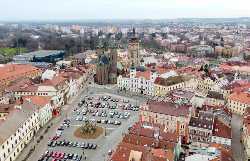
Hradec Králové is one of the most elegant and architecturally interesting cities in the Czech Republic. Located at the confluence of the Elbe and Orlice rivers, it is known for its harmonious urban design, rich cultural life, and important historical monuments. The city combines Gothic heritage, modern urban planning, museums, and attractive public spaces. One of the main landmarks is the historic city centre dominated by the Great Square and White Tower (Bílá věž). The White Tower is one of the tallest structures in the region and offers panoramic views over the city and surrounding countryside. The square itself is surrounded by historic buildings, cafés, and cultural institutions. A key historical monument is Hradec Králové Castle. This former royal residence has played an important role in Czech history since medieval times. Today, it is partially open to the public and serves as a cultural and administrative site, reflecting the city’s long development from a royal settlement to a modern regional centre. Hradec Králové is also home to several important museums. The Museum of Eastern Bohemia is one of the most significant cultural institutions in the region. It presents archaeological finds, historical exhibitions, and artistic collections, all housed in a monumental neo-Renaissance building designed by famous architect Jan Kotěra. Another popular institution is the Czech Pharmacy Museum located in nearby Kuks, which is often visited as part of regional excursions. The city is known for its exceptional modern architecture from the early 20th century. Architects like Jan Kotěra and Josef Gočár helped transform Hradec Králové into a model of urban planning. Many buildings in the city centre reflect this modernist style, making the city an open-air gallery of architectural development. Although Hradec Králové does not have large palaces in the style of Prague or Vienna, it contains several historic administrative and bishop’s residences that functioned as important centres of power in the past. These buildings contribute to the city’s palace-like architectural character. Among cultural attractions, visitors can enjoy the Klicpera Theatre, one of the oldest theatres in the country, offering drama and cultural performances. The city also hosts concerts, festivals, and exhibitions throughout the year. For relaxation, visitors can explore Šimkovy Sady Park or walk along the riverside promenades where the Elbe and Orlice meet. The surrounding landscape also offers cycling routes and natural scenery. With its castle heritage, museums, historic tower, modern architecture, and vibrant cultural life, Hradec Králové is a city that beautifully blends history and modern design. It is an ideal destination for visitors interested in architecture, culture, and peaceful urban exploration.
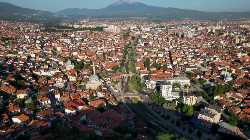
Prizren is widely regarded as one of the most beautiful and historic cities in Kosovo. Nestled beneath the Šar Mountains and divided by the Bistrica River, the city has long been a meeting place of cultures, religions and trade routes. Its well-preserved old town, traditional stone bridges and centuries-old architecture create an atmosphere that attracts visitors from across the Balkans and beyond. A great place to begin exploring is the Prizren Regional Museum, housed in a historic Ottoman-era building. Its collections present archaeological discoveries, ethnographic objects and historical artefacts that tell the story of the region from prehistoric times to the modern era. The Museum of the League of Prizren is one of the city's most significant cultural institutions, commemorating the founding of the League of Prizren in 1878, an important event in Albanian history. Visitors interested in religious heritage can also explore the Archaeological and Ethnographic collections preserved within the Serbian Orthodox Seminary Museum, which displays valuable manuscripts, icons and historical objects connected with the city's Orthodox community. Dominating the skyline is the impressive Prizren Fortress, often called Prizren Castle. Standing on a hill above the old town, the fortress has origins dating back to Byzantine times and was expanded by successive medieval rulers and the Ottoman Empire. Today it offers spectacular panoramic views over the city, surrounding mountains and the winding Bistrica River. Another architectural highlight is the Cathedral of Our Lady of Perpetual Succour, an elegant Roman Catholic cathedral completed in the nineteenth century. The city is equally renowned for the Church of Our Lady of Ljeviš, a medieval Serbian Orthodox church recognised as a UNESCO World Heritage Site for its exceptional Byzantine frescoes. Among Prizren's best-known historic landmarks are the Stone Bridge, which has connected both sides of the old town for centuries, the Sinan Pasha Mosque with its magnificent Ottoman architecture, and Shadervan Square, the lively heart of the city surrounded by traditional houses, cafés and restaurants. Walking through the narrow cobbled streets reveals a remarkable blend of Albanian, Ottoman and Byzantine heritage that has shaped Prizren for hundreds of years. With its fascinating museums, imposing fortress, remarkable religious monuments and beautifully preserved historic centre, Prizren offers one of the richest cultural experiences in the Balkans and remains an essential destination for anyone interested in history, architecture and local traditions.
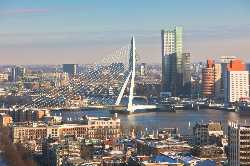
Rotterdam is the second-largest city in the Netherlands and one of Europe’s most important port cities. Located in the province of South Holland, Rotterdam lies along the Nieuwe Maas River and forms the heart of the vast Port of Rotterdam—the largest seaport in Europe. Because of its strategic location near the North Sea and the Rhine-Meuse delta, the city has long been a vital gateway for international trade and shipping. Rotterdam’s history dates back to the 13th century when a dam was built in the Rotte River, giving the city its name. Over time it developed into a busy commercial town and later into a major global port. However, much of the historic city center was destroyed during the Rotterdam Blitz in World War II. After the war, Rotterdam was rebuilt with a bold vision for the future. Instead of recreating the old streets, the city embraced modern architecture and innovative urban planning. Today Rotterdam is famous for its striking skyline and contemporary buildings. One of the most recognizable landmarks is the Erasmus Bridge, often called “The Swan” because of its elegant shape. The bridge connects the northern and southern parts of the city and has become a symbol of Rotterdam’s modern identity. Another architectural highlight is the Cube Houses, designed by architect Piet Blom. These unusual tilted cube-shaped homes are built above pedestrian walkways and have become one of the city’s most photographed attractions. Rotterdam is also known for its vibrant cultural life. The city hosts major international events such as the International Film Festival Rotterdam, which attracts filmmakers and visitors from around the world. Museums, art galleries, music venues, and modern public spaces give the city a creative and dynamic atmosphere. Visitors often explore the waterfront areas, lively markets, and innovative architecture that define Rotterdam today. Unlike many historic Dutch cities with medieval centers, Rotterdam stands out for its modern character and forward-looking spirit. Its combination of global trade, cutting-edge design, and cultural diversity makes Rotterdam one of the most unique and energetic cities in the Netherlands.
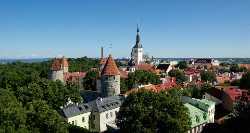
Tallinn, the enchanting capital of Estonia, often feels like stepping into a medieval fairytale with its remarkably preserved Old Town, a UNESCO World Heritage site. Yet, beneath its Hanseatic charm lies a history stretching back millennia, and a contemporary spirit that blends seamlessly with its ancient stones. It wasn't always the undisputed heart of Estonia; for periods under foreign rule, other centers held sway, a testament to the country's strategic location and shifting powers in the Baltic region. Yet, Tallinn's crucial port and defensive advantages ultimately solidified its role as the nation's enduring capital. Consider this: Tallinn's Town Hall Square (Raekoja plats) has served as a bustling marketplace and a focal point of city life since at least the 13th century. Remarkably, it still hosts various events and markets today, seamlessly connecting its medieval past with its vibrant present. Imagine strolling across the same cobblestones where merchants traded centuries ago, now perhaps browsing for local crafts or enjoying a festive atmosphere. Intriguingly, Tallinn boasts one of the oldest continuously operating pharmacies in Europe, the Town Hall Pharmacy (Raeapteek), which first opened its doors in 1422. Legends abound about the unusual remedies once sold there, including powdered unicorn horn and burnt hedgehogs, offering a fascinating glimpse into the medical beliefs and practices of the time. Today, it still functions as a pharmacy while also housing a small museum showcasing its intriguing history. Another fascinating aspect of Tallinn lies in its surprisingly extensive network of secret tunnels beneath the Old Town. These subterranean passages, some dating back to the medieval era, served various purposes over the centuries, from storage to providing shelter during wartime. Parts of these tunnels are now open to the public, offering a unique and slightly eerie perspective on the city's hidden depths and its strategic defenses. Beyond its medieval wonders, Tallinn holds a significant place in technological history. It was the birthplace of Skype, the groundbreaking video calling software that revolutionized global communication. This unexpected connection to modern technology underscores Estonia's forward-thinking spirit and its ability to blend its rich heritage with cutting-edge innovation. Furthermore, Tallinn's iconic Toompea Castle, perched atop a limestone hill overlooking the Old Town, has been a seat of power for centuries, serving as a stronghold for various rulers, from Danish and Swedish to German and Russian. Today, it houses the Estonian Parliament (Riigikogu), symbolizing the continuity of governance on this historically significant site. Finally, for those with a taste for local folklore, Tallinn has a charming legend associated with its "Vana Toomas" (Old Thomas) weather vane atop the Town Hall tower. This iconic figure, a symbol of the city since 1530, is said to have been inspired by a young boy who, despite being too small to participate in an archery contest, managed to shoot down a wooden parrot perched atop a pole, thus becoming the city's first "Old Thomas." To explore Tallinn is to encounter a city where medieval marketplaces thrive alongside modern technology, where ancient pharmacies whisper tales of bizarre remedies, and where a legendary weather vane continues to watch over a capital that seamlessly blends its captivating past with a dynamic present.
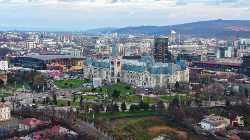
Iași is one of Romania's oldest and most culturally significant cities. Located in the historical region of Moldavia in northeastern Romania, it served for centuries as the capital of the Principality of Moldavia and remains an important center of education, culture, and religion. Known for its elegant architecture, historic monuments, and vibrant academic atmosphere, Iași is often regarded as the cultural capital of eastern Romania. The city boasts a remarkable collection of museums that reflect its rich heritage. The Palace of Culture Museum Complex is the most famous cultural institution in Iași and includes several museums under one roof, including the Museum of History of Moldavia, the Ethnographic Museum of Moldavia, and the Art Museum. These museums showcase the history, traditions, and artistic achievements of the region. Another important attraction is the Mihai Eminescu Memorial Museum, dedicated to Romania's national poet and his connection to the city. Dominating the skyline of Iași is the magnificent Palace of Culture, one of Romania's most iconic buildings. Completed in the early 20th century in Neo-Gothic style, the palace serves as a symbol of the city and houses important cultural institutions. Its impressive Clock Tower and richly decorated interiors attract visitors from across the country and abroad. Among the city's most important religious landmarks is the Metropolitan Cathedral of Iași, the largest Orthodox cathedral in Romania. The cathedral is an important pilgrimage destination and houses the relics of Saint Parascheva, drawing thousands of worshippers each year. Another notable religious monument is the Church of the Three Hierarchs, famous for its unique exterior stone carvings and exceptional architectural design. Iași is also home to several historic landmarks that illustrate its long and distinguished past. The Dosoftei House, one of the oldest buildings in the city, preserves important cultural and literary heritage. The Union Museum commemorates the unification of Moldavia and Wallachia, a crucial event in Romanian history. Visitors can also explore Copou Park, one of the oldest public parks in Romania, where the historic Eminescu's Linden Tree has become a symbol of Romanian literature. The city played a major role during both World Wars and temporarily served as Romania's capital during World War I. This historical importance can still be felt throughout its monuments, memorials, and preserved architectural treasures. With its outstanding museums, magnificent palace, grand cathedral, and numerous historic landmarks, Iași offers a fascinating journey through Romanian history and culture. Its blend of tradition, education, and architectural beauty makes it one of the country's most rewarding destinations for visitors seeking a deeper understanding of Romania's heritage.
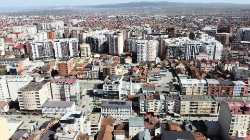
Ferizaj is one of Kosovo's youngest cities, yet it has become an important cultural, commercial, and transportation hub in the southeastern part of the country. Founded in the late nineteenth century during the construction of the railway connecting Central Europe with the Balkans, the city has grown rapidly while preserving a number of historical and cultural attractions that reflect its diverse heritage. One of Ferizaj's most remarkable landmarks is the unique complex where the Cathedral of Uroševac, also known as the Cathedral of St. Uroš, stands beside the Madhe Mosque. Built close to one another, these two places of worship symbolize the city's long tradition of religious coexistence and mutual respect, making the area one of the most photographed sites in Kosovo. Visitors interested in history can explore the Ferizaj Museum, which presents archaeological discoveries, ethnographic collections, and exhibits illustrating the development of the city and surrounding region. The nearby Museum of the Kosovo Village in Ferizaj showcases traditional rural architecture, household objects, and local customs, while the Museum of the Bifurcation in nearby Nerodime explains the rare natural phenomenon where the Nerodime River divides and flows toward both the Adriatic and Aegean Seas. Although Ferizaj does not have a castle within the city itself, the historic Petrešti Castle, located a short drive from the city, is a popular excursion for visitors interested in medieval fortifications and the history of the surrounding region. Nature lovers often visit the Nerodime River Bifurcation, one of Europe's rare hydrological phenomena, while the nearby village of Jezerc offers access to the Sharr Mountains, renowned for hiking, wildlife, and spectacular landscapes. The city's central promenade, lively cafés, restaurants, and local markets create a welcoming atmosphere where visitors can experience everyday life in Kosovo. Throughout the year, Ferizaj hosts cultural festivals, concerts, and community events that celebrate local traditions and contemporary arts. Combining modern urban life with historic landmarks, museums, religious monuments, and easy access to natural attractions, Ferizaj offers an interesting destination for travelers exploring the cultural diversity and heritage of southeastern Kosovo.
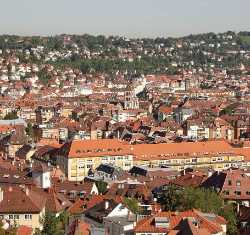
Stuttgart, the capital of Germany’s Baden-Württemberg region, is a city where innovation and tradition blend seamlessly. Nestled in a valley surrounded by rolling vineyards and forested hills, it offers a unique charm that combines industrial heritage with a love for nature and culture. Often called the “cradle of the automobile,” Stuttgart is home to two of the world’s most famous car brands: Mercedes-Benz and Porsche. Both companies have spectacular museums that showcase the evolution of automotive design and technology. The Mercedes-Benz Museum’s futuristic architecture mirrors the city’s forward-thinking spirit, while the Porsche Museum captures the essence of speed and style. Yet, Stuttgart is not all about engines and steel. At its heart lies Schlossplatz, the city’s main square, framed by the elegant New Palace (Neues Schloss) and the historic Old Castle (Altes Schloss). This area comes alive in every season — with fountains and street cafés in summer, and Christmas markets glowing with lights in winter. Just a short walk away is Königstraße, one of Germany’s longest pedestrian shopping streets, bustling with energy and lined with stores, restaurants, and cafés. Stuttgart’s landscape is one of its most defining features. The city sits in a basin, which gives it a unique skyline dotted with vineyards and viewpoints. Climb the Karlshöhe or the Killesberg Tower, and you’ll be rewarded with panoramic views that stretch across the city’s rooftops. The nearby Wilhelma Zoological and Botanical Garden — once a royal palace — offers another peaceful escape, combining exotic animals and lush gardens. Culture thrives here too. The State Gallery (Staatsgalerie) houses masterpieces from Rembrandt to Picasso, while the Stuttgart State Opera is considered one of the best in Europe. Festivals such as the Cannstatter Volksfest, a lively celebration of Swabian tradition, add warmth and fun to the city’s character. Stuttgart manages to feel both dynamic and relaxed — a place where technology meets art, and urban life flows gently into green hillsides. Whether you come for its world-class museums, historic architecture, or simply to enjoy a glass of local wine overlooking the city, Stuttgart leaves a lasting impression as one of Germany’s most surprising and elegant destinations.
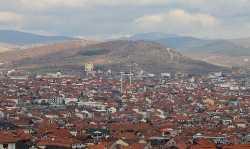
Gjilan, located in eastern Kosovo near the border with Serbia and North Macedonia, is one of the country's most important regional centres. Known for its lively atmosphere, traditional markets and surrounding countryside, the city combines Ottoman heritage with modern urban development. Gjilan serves as a cultural hub for the Anamorava region and offers visitors a mix of historical landmarks, religious architecture and local traditions. A good starting point for exploring the city is the Gjilan City Museum, which presents archaeological finds, ethnographic objects and historical documents related to the development of the region. Another interesting institution is the Museum of the Anamorava Region, focusing on local customs, traditional clothing and rural life in eastern Kosovo. Visitors interested in more recent history can also explore the Memorial Museum of the Kosovo Liberation War in Gjilan, which documents the events that shaped the area during the late 20th century. One of the most notable historic structures connected with the city is the Gjilan Clock Tower, a landmark dating from the Ottoman period that remains an important symbol of the old town. Although Gjilan does not have a large medieval castle within the city centre, visitors can make a short excursion to the nearby Pogragja Fortress, a hilltop defensive site overlooking the surrounding valley and representing the medieval heritage of the region. Religious architecture is another highlight of Gjilan. The Cathedral of St. Nicholas is an important Serbian Orthodox church known for its traditional design and historical significance. The city also features the Church of St. George, while the Sultan Murad Mosque reflects the long Ottoman influence on local culture and architecture. Among the most recognizable landmarks is the central pedestrian area around Agim Ramadani Square, where cafés, shops and public events create a vibrant atmosphere throughout the year. The nearby Mirusha River promenade offers pleasant walking routes, and the surrounding Karadak Mountains provide opportunities for nature excursions and panoramic views of the region. Gjilan's appeal lies in its combination of museums, historic religious buildings, Ottoman-era landmarks and nearby medieval fortifications. While it may not be as famous as some larger Balkan cities, it offers visitors an authentic glimpse into the cultural diversity and historical layers that characterize eastern Kosovo.
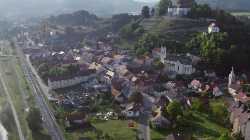
Novo Mesto is one of Slovenia's most attractive historic towns, located in the picturesque Dolenjska region along a bend of the Krka River. Founded in 1365 by Duke Rudolf IV of Habsburg, the town has developed into an important cultural, educational, and economic centre while preserving much of its rich historical heritage. The heart of Novo Mesto is its charming old town, which stands on a natural river terrace above the Krka. Narrow streets, historic buildings, and scenic viewpoints create a welcoming atmosphere for visitors. Dominating the skyline is the Cathedral of St. Nicholas, a prominent Gothic church that was later redesigned in the Baroque style. Its impressive interior includes valuable artworks and remains one of the city's most important landmarks. Another notable historic site is Grm Castle, a beautiful manor house surrounded by parkland on the outskirts of the city. The castle reflects the region's aristocratic past and remains one of Novo Mesto's best-known architectural monuments. Visitors can also explore the historic Main Square, lined with elegant townhouses that showcase centuries of urban development. Novo Mesto is renowned for its museums. The Dolenjska Museum is the city's leading cultural institution, featuring archaeological discoveries, ethnographic collections, and exhibits highlighting the history of the region. The Museum of the Archdiocese of Novo Mesto preserves religious treasures and documents connected to local ecclesiastical history. Art enthusiasts can visit the Jakac House, dedicated to the celebrated Slovenian artist Božidar Jakac and showcasing works connected to the region's artistic heritage. The town is particularly famous for its archaeological significance. Numerous discoveries from the Hallstatt period have earned Novo Mesto the nickname "City of Situlas." These elaborately decorated bronze vessels provide valuable insight into Iron Age culture and can be seen in museum collections. One of the most important archaeological locations is Kapiteljska Njiva, where many remarkable burial finds have been uncovered. Historic landmarks throughout the city include Breg, a picturesque riverside district with traditional houses overlooking the Krka River, and Kandijski Bridge, which connects different parts of the town while offering beautiful views of the historic centre. Today, Novo Mesto combines its rich past with a vibrant modern character. Its museums, historic buildings, archaeological heritage, and scenic riverside setting make it one of Slovenia's most rewarding destinations for travellers interested in history, culture, and architecture.
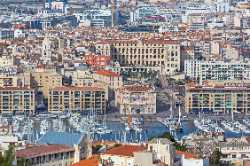
Marseille, the oldest city in France, is a vibrant Mediterranean port where history, cultures, and landscapes blend into a unique and unforgettable atmosphere. Founded by Greek sailors over 2,600 years ago, the city has always been a gateway between Europe and the wider world, giving it a distinctive character full of diversity, creativity, and energy. At the heart of Marseille lies the Vieux-Port, the Old Port, where fishing boats, terraces, and markets create a lively daily scene. From here, narrow streets lead into Le Panier, the historic district filled with colourful houses, local ateliers, and charming squares that reveal the city’s ancient past. Nearby, the iconic Cathédrale de la Major rises with its striking striped façade overlooking the sea. No visit to Marseille is complete without discovering Notre-Dame de la Garde, the city’s most famous landmark. Perched on a hilltop, the basilica offers panoramic views of the entire coastline, the islands of the Frioul archipelago, and the rugged beauty of the Calanques National Park. This protected area, located between Marseille and Cassis, is a paradise of turquoise waters, limestone cliffs, and hiking trails. Marseille is also a city of modern culture. The MuCEM—Museum of European and Mediterranean Civilisations—stands at the entrance to the port, blending contemporary architecture with ancient fortifications. It highlights the shared heritage of Mediterranean peoples and symbolises Marseille’s role as a crossroads of cultures. From bustling markets to beachfront promenades, from historical treasures to fresh seafood cuisine, Marseille offers visitors a rich and authentic experience shaped by centuries of exchange and the warmth of the Mediterranean sun.
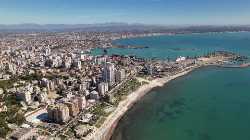
Durrës is Albania's oldest city and one of the oldest continuously inhabited settlements on the Adriatic coast. Founded by ancient Greek colonists in the 7th century BC, the city has flourished under Greek, Roman, Byzantine, Venetian, and Ottoman rule, leaving behind an extraordinary collection of archaeological sites and historic monuments. Today, Durrës combines a rich cultural heritage with lively seaside promenades, making it one of Albania's most popular destinations. One of the city's most impressive landmarks is Durrës Castle, also known as the Byzantine Walls of Durrës. Originally constructed during the Byzantine period and strengthened by Emperor Anastasius I in the 5th century, the fortifications once surrounded the entire city. Visitors can still explore surviving sections of the massive walls and the Venetian Tower, which stands as one of the best-preserved parts of the medieval defenses. Durrës is home to several fascinating museums that reveal its long history. The Durrës Archaeological Museum is the largest archaeological museum in Albania, displaying artifacts from the Greek, Roman, and Byzantine periods, including sculptures, mosaics, pottery, jewelry, and funerary monuments. The Museum House of Aleksandër Moisiu celebrates the life of the internationally acclaimed Albanian actor and features photographs, personal belongings, and historical exhibits. Another important cultural attraction is the Museum of Martyrs, which commemorates those who lost their lives during Albania's struggle for independence and later conflicts, preserving documents, photographs, and memorial displays. Among the city's religious monuments, the Great Mosque of Durrës is one of the most significant Islamic landmarks, while the remains of the early Christian Basilica of Durrës reveal beautifully preserved floor mosaics dating back to the 5th and 6th centuries. These monuments reflect the city's long tradition of cultural and religious diversity. Perhaps the most famous historic landmark is the Durrës Amphitheatre, one of the largest Roman amphitheatres in the Balkans. Built during the reign of Emperor Trajan in the 2nd century AD, it could once accommodate around 20,000 spectators. Hidden beneath the modern city for centuries, the amphitheatre was rediscovered in the 20th century and remains one of Albania's greatest archaeological treasures. Nearby, visitors can also explore the Roman Forum, Roman Baths, and sections of the ancient city walls. The bustling waterfront promenade, historic old town, and panoramic views over the Adriatic Sea add to Durrës' appeal, offering a blend of ancient history and modern coastal life. With its impressive castle walls, outstanding museums, world-class Roman amphitheatre, early Christian monuments, and centuries of multicultural heritage, Durrës provides an unforgettable journey through more than 2,500 years of history and remains one of Albania's most fascinating historic cities.
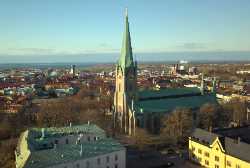
Linköping is a historic and innovative city located in southern Sweden, in the province of Östergötland. Known for its deep medieval roots and strong connections to modern technology, Linköping offers a unique blend of tradition and progress. The city’s history dates back to the Middle Ages, when it became an important religious center. The impressive Linköping Cathedral, parts of which date to the 12th century, remains one of the best-preserved medieval cathedrals in Sweden. Its towering spire dominates the skyline and reflects the city’s long-standing cultural and spiritual significance. In contrast to its historic core, Linköping is also a hub of innovation. The presence of Linköping University has helped transform the city into a center for research, technology, and education. Nearby, the region is closely associated with Sweden’s aerospace industry, particularly through companies like Saab, giving Linköping a modern, forward-looking identity. One of the city’s most popular attractions is Gamla Linköping Open-Air Museum, a reconstructed old town where visitors can experience life as it was in earlier centuries. Traditional wooden houses, small shops, and workshops create a living history environment that contrasts with the modern city around it. Linköping is also known for its green spaces and relaxed atmosphere. Parks, walking paths, and the nearby Göta Canal provide opportunities for outdoor activities and scenic views. The city’s manageable size makes it easy to explore on foot or by bicycle, contributing to its welcoming and accessible character. Culturally, Linköping offers a range of museums, galleries, and events, reflecting both its historical heritage and contemporary creativity. The mix of old and new is a defining feature of the city, where medieval streets and modern architecture exist side by side. With its combination of rich history, academic life, and technological innovation, Linköping stands out as a city that honors its past while actively shaping its future.
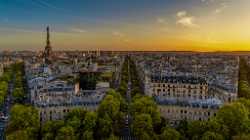
Paris is more than a destination—it is a feeling, a rhythm, a mosaic of art, romance, and reinvention. Nestled along the banks of the River Seine, the capital of France has seduced travelers, artists, and dreamers for centuries. From the glittering iron lacework of the Eiffel Tower to the cobbled charm of Montmartre, every street corner tells a story, every building seems to hold a secret, and every café invites you to linger just a little longer. Founded in the 3rd century BCE by a Celtic tribe called the Parisii, the city has grown through empire, revolution, and renaissance into one of the most iconic and visited places on Earth. Often called "La Ville Lumière"—The City of Light—Paris earned its nickname not only because it was one of the first cities to adopt gas street lighting, but also because it has long been a beacon of culture, science, and enlightenment. It is a place where ideas flourish and beauty is taken seriously, sometimes even considered a civic duty. Paris is a masterpiece of urban planning. In the 19th century, Baron Haussmann’s wide boulevards, manicured parks, and uniform cream-colored façades transformed the medieval city into a model of modern elegance. Today, these grand avenues lead to some of the world’s most treasured landmarks: the Arc de Triomphe, the Notre-Dame Cathedral, and the Louvre—home to the Mona Lisa, who gazes out from behind bulletproof glass with timeless mystery. Despite its grandeur, Paris is also a city of intimate pleasures. You can spend hours in a tiny bookshop along the Left Bank, browse open-air markets for artisan cheese, or sip espresso at a sidewalk café where Hemingway once wrote. The scent of fresh baguettes drifts from boulangeries each morning, while in the evening, the warm glow of wine bars fills the air with conversation. Time moves differently in Paris—unhurried, indulgent, and rich with nuance. Art and fashion pulse through the city’s veins. The Musée d'Orsay, housed in a former railway station, boasts the world's most extensive collection of Impressionist works. Just across the river, the Centre Pompidou challenges visitors with bold, modern design. Paris is also the cradle of haute couture, where names like Chanel, Dior, and Saint Laurent set the rhythm of global style. Twice a year, Paris Fashion Week turns the city into a glittering runway, attracting icons from every corner of the world. Beyond its beauty, Paris has long been a stage for revolution and reform. The storming of the Bastille in 1789 sparked the French Revolution and echoed across the globe. In the 20th century, existentialist philosophers like Sartre and de Beauvoir debated freedom and meaning in Saint-Germain cafés, while students in 1968 nearly shook the republic to its core. Through upheaval and rebirth, Paris has remained a city that thinks deeply and acts boldly. The French capital is also green in spirit, with sprawling parks like the Luxembourg Gardens and the Bois de Vincennes offering refuge from the urban hum. The city has committed itself to sustainability, with a growing network of bike paths and car-free zones, and the Seine’s embankments now welcome pedestrians, sunbathers, and skaters where once only traffic reigned. Above all, Paris enchants through its paradoxes. It is both ancient and forward-looking, refined yet rebellious, endlessly visited yet always personal. Whether you come for the Louvre or the Ladurée macarons, the Eiffel Tower or a kiss at the Pont des Arts, Paris opens itself to those willing to wander without a map, to savor without schedule, and to fall under the soft, golden spell of its endless charm.
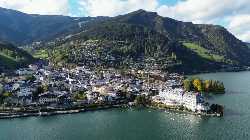
Zell am See is one of Austria's most famous mountain resorts, located in the state of Salzburg on the shores of the beautiful Lake Zell. Surrounded by the Alps and overlooked by the Schmittenhöhe mountain, the town is renowned for its stunning scenery, outdoor activities, historic landmarks, and cultural attractions. Throughout the year, visitors come to enjoy skiing, hiking, boating, and exploring the region's rich heritage. The historic centre of Zell am See is filled with charming streets, traditional buildings, and picturesque squares. One of the town's most important landmarks is the Parish Church of St. Hippolyte, a historic church dating back to the Middle Ages. Its Romanesque tower, Gothic architecture, and richly decorated interior make it one of the most significant religious monuments in the region. Although Zell am See does not have a large royal palace, it is home to Rosenberg Castle (Schloss Rosenberg), a historic castle located in the town centre. Originally built in the medieval period and later modified in Renaissance style, the castle now serves as the town hall. Its distinctive tower and elegant architecture make it one of the most recognizable buildings in Zell am See. Visitors interested in local history can explore several museums. The Vogtturm City Museum is housed in the oldest surviving building in Zell am See and presents exhibitions about the town's history, medieval development, and cultural traditions. Another interesting museum is the Kaprun Museum, located nearby and focusing on the history of the surrounding region, including the development of tourism and hydroelectric power projects. The Oldtimer Museum Kaprun is also a popular attraction, displaying historic automobiles, motorcycles, and vehicles from different eras. One of the most famous historic landmarks in the area is the Grand Hotel Zell am See, an iconic lakeside building that has welcomed visitors since the 19th century. The Esplanade promenade along the lakefront is another popular attraction, offering beautiful views of the surrounding mountains and easy access to cafés, parks, and boat excursions. Nature plays a major role in the appeal of Zell am See. The Schmittenhöhe mountain provides spectacular viewpoints over the lake and Alpine landscape. Visitors can reach the summit by cable car and enjoy hiking trails, observation platforms, and panoramic scenery. Nearby, the Kitzsteinhorn Glacier offers year-round snow and one of Austria's highest accessible viewpoints. The town also serves as a gateway to many attractions in the Salzburg region, including mountain passes, waterfalls, and national parks. Boat cruises on Lake Zell allow visitors to admire the beauty of the surrounding mountains from the water. With its historic castle, museums, church, lakeside landmarks, and breathtaking Alpine setting, Zell am See offers a perfect combination of culture, history, and outdoor adventure. It remains one of Austria's most attractive destinations for visitors seeking both relaxation and exploration.
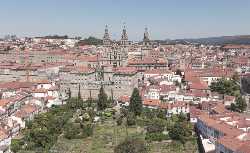
Santiago de Compostela, the capital of Galicia in north-western Spain, is one of Europe’s most important historic and spiritual cities. Best known as the final destination of the Camino de Santiago, it has attracted pilgrims from across Europe for more than a thousand years. According to tradition, the remains of Saint James the Apostle were discovered here in the 9th century. This discovery transformed Santiago into a major pilgrimage centre during the Middle Ages, placing it on a level of importance comparable to Rome or Jerusalem. The city grew around the shrine, developing into a powerful religious, cultural, and economic hub. At the heart of the city stands the Cathedral of Santiago de Compostela, an outstanding example of Romanesque architecture later enriched with Gothic and Baroque elements. Its richly decorated façade, vast interior, and the famous Botafumeiro incense burner create a powerful and unforgettable experience for visitors. Surrounding the cathedral is a maze of narrow stone streets, small squares, and arcaded buildings that form the historic old town, now a UNESCO World Heritage Site. Beyond its religious significance, Santiago de Compostela is a lively university city with a strong cultural identity. The University of Santiago, founded in 1495, is one of Spain’s oldest and gives the city a youthful energy. Traditional Galician music, festivals, and cuisine—especially seafood, octopus (pulpo a la gallega), and local wines—are central to daily life. Today, Santiago de Compostela blends spirituality, history, and modern life. Whether arriving as a pilgrim after weeks of walking or as a traveler exploring its monuments, the city offers a unique atmosphere shaped by centuries of faith, learning, and human movement across Europe.
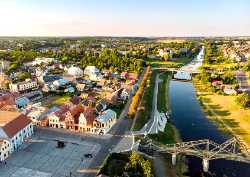
Kėdainiai is one of the oldest and most historically important towns in central Lithuania. Located on the banks of the Nevėžis River, Kėdainiai is famous for its well-preserved Old Town, multicultural history and elegant Renaissance and Baroque architecture. The town developed as an important trading centre during the time of the Grand Duchy of Lithuania and was strongly influenced by Scottish, German and Jewish communities who settled there centuries ago. The heart of the city is the historic Old Town, one of the best preserved in Lithuania. Walking through its cobbled streets, visitors can admire colourful merchant houses, market squares and historic churches that reflect the multicultural heritage of Kėdainiai. Although the city does not have a large medieval castle, its historic urban architecture creates an atmosphere similar to an old European trading town. One of the most important cultural attractions is the Kėdainiai Regional Museum, which presents exhibitions about the town’s history, archaeology and traditions. Visitors can learn about the noble Radziwiłł family, the Scottish merchants who once lived in the city and the important role Kėdainiai played in Lithuanian history. Several museum branches around the town also focus on local crafts, multicultural heritage and regional history. Religious architecture is one of the highlights of Kėdainiai. The impressive Calvinist Church of Kėdainiai is one of the oldest Protestant churches in Lithuania and an important symbol of the town’s religious tolerance. Nearby visitors can also explore Catholic, Lutheran and Orthodox churches which reflect the city’s diverse cultural past. Another interesting landmark is the Town Hall of Kėdainiai located in the historic centre. The old market squares and surrounding streets remain among the most picturesque areas in the city. Walking routes along the Nevėžis River provide peaceful scenery and views of the historic skyline. Kėdainiai is also known for local traditions, cultural festivals and regional cuisine. Cafes and restaurants in the Old Town offer visitors a chance to experience authentic Lithuanian hospitality in a historic setting. Throughout the year the city hosts concerts, exhibitions and community celebrations that keep its cultural life active. Today Kėdainiai combines rich history, architecture and multicultural heritage with a calm small-town atmosphere. With its museums, churches, historic streets and riverside landscapes, the city offers visitors one of the most authentic historical experiences in Lithuania.